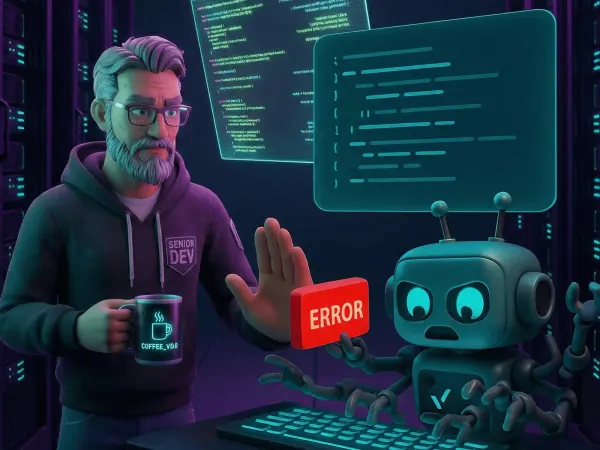
AI Securing AI Generated Code: You Ship It, You Own It The real security risk of AI isn't just buggy output—it's the erosion of developer ownership. Learn how to reinvest the time saved by AI into rigorous review and why you must treat every generated line as code you wrote yourself.
Technical Leadership Featured Technical Leadership: The Guide to Invisible Impact Technical leadership isn't a reward for being the best coder; it's a shift from solving problems to building a team that solves them without you. Learn how to trade visible output for distributed capability and lead through judgment rather than authority.
ai-agents Autonomous AI Agents: The Shift from Coder to Intent Architect Autonomous AI agents don’t just speed up coding—they turn every developer into a manager. This piece introduces Intent Architecture and a brief + review workflow to keep agent output aligned with the real problem
AI Psychological Safety in Teams When AI Auto-Complete Raises the Stakes AI autocomplete increases output, not understanding. This post reframes psychological safety in teams as technical honesty under velocity—intent-first reviews, explicit verification, and practical PR norms that prevent “LGTM” from turning into production incidents.
Technical Leadership The Silent Silo: Turning AI-Generated Speed into Real Junior Developer Growth Junior developers are shipping code faster than ever, but the learning is happening in silence. The Silent Silo explains how AI hides knowledge gaps—and how to reopen them.
Technical Debt 12 Real-World Technical Debt Examples (And How to Pay Them Down) Technical debt isn't a ghost in your legacy system — it's the PR you approved yesterday. 12 types from architectural drift to AI-generated bloat, with real incidents (Knight Capital's $440M loss, the Southwest meltdown) and a Debt Portfolio scoring framework to prioritize what to fix first.
Technical Leadership The AI Code Audit: Why Senior Devs Must Become Editors AI-generated code looks flawless and still builds a skyscraper on a swamp. The senior developer's AI code audit playbook: a Zero Trust checklist, the three audit types that matter, a cross-model workflow (Claude Code + Codex, human adjudicates), and what compliance auditors want.
AI Featured AI Pair Programming: Your First Mentor (Not a Vending Machine) Stop treating AI like a code vending machine. This playbook helps you use tools like GitHub Copilot and ChatGPT. These tools act as personal mentors. They help you learn faster, work with confidence, and build important habits.
Best Practices How Developers Destroy User Trust (5 Proven Fixes) Users don't hate developers—they hate feeling invisible when their problems disappear into the void of unacknowledged tickets. Four simple practices, starting with actually calling your angriest users, can transform frustration into collaboration and rebuild the trust we've been breaking for years.
Team Dynamics The Interruption Avalanche: How Teams Accidentally Sabotage Junior Developers Junior developers aren't struggling because they're easily distracted—they're drowning in context switching. Three simple changes can transform scattered, anxious developers into confident contributors.
Team Dynamics Overcome the Panic: Proven Ways Junior Developers Get Help I spent 3 hours on a database query that a senior dev fixed in 10 seconds. That taught me the difference between struggling alone and asking for help effectively—plus the 15-minute rule that changed everything.
Workplace Culture New Team, Unknown Codebase: How to Land Without Crashing Starting on a new team can feel like being dropped into the middle of a movie. Learn why landing well isn't about speed—it's about orientation, understanding people first, and making one small meaningful contribution.
Productivity Signs You're Micromanaging (And How to Fix It Fast) Eight messages by noon about wireframe details? You might be micromanaging. Discover the warning signs that kill team morale and get two practical strategies to build trust and boost productivity starting today.
Team Dynamics Featured "We Should've Talked Sooner" — The Quiet Cost of Delayed Feedback A fellow team lead shared a story over beers: a senior developer blindsided by feedback in their quarterly review. "Why didn't anyone tell me this before?" The problem wasn't the feedback—it was the timing. Learn 4 micro-habits that make feedback feel normal instead of nerve-wracking.
Team Performance The Context Gap: Why Smart Teams Still Miss the Mark Even the best teams stumble when they don’t have the full picture. Context isn’t a nice-to-have—it’s what turns good decisions into the right ones.
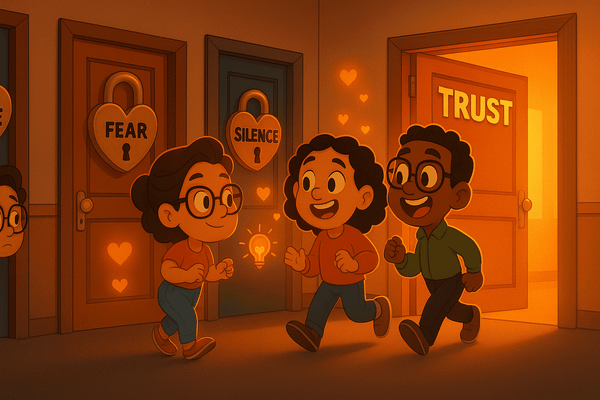
Team Dynamics Trust Isn't a Perk—It's the Platform Trust isn’t just a nice-to-have in tech teams—it’s the foundation that holds everything together. When people feel safe to speak up, problems surface early, creativity thrives, and real collaboration happens. But when trust breaks down, the cost goes far beyond missed deadlines.
The Art of Leading Without Doing You didn’t stop contributing when you stepped into leadership—you just started building something less visible and far more impactful: the environment where great work happens.
Technical Leadership Steering, Not Drifting: A Leader’s First Responsibility Being busy isn’t the same as moving forward. Learn how purpose transforms your role as a leader—from reacting to directing. Your team will thank you
Team Performance Featured Entropy in Teams: The Unseen Force of Decline This article explores the universal challenge of team entropy, its human cost, warning signs to watch for, and practical strategies for maintaining team health through constant, small improvements.
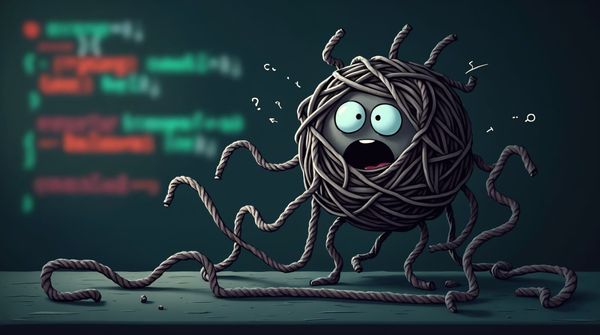
Software Development Featured Over-Engineering Features: Why Your “Simple” Feature Became a Monster That 'simple' feature grew into a 2,000-line monster with six layers of abstraction. Sound familiar? We developers confuse 'interesting to build' with 'right for the problem.' The truth is, complex code isn't a technical problem; it's a communication problem. Here's how to break the addiction.
Technical Leadership Smiles, Conflicts, and the Human Side of Tech The friction in tech projects rarely stems from code, but from human conflict. This article explores how smiles and conflict resolution techniques transform team dynamics, shifting tension into collaboration. The most complex system isn't our codebase—it's our relationships.